
20 Work Hours Gained per Week: Utz Automates Pallet Management with Logistikbude's LCMS

The Schüttorf plant of plastics processor Georg Utz GmbH moves a massive shipment volume every year. Until the end of 2025, however, this came with an enormous administrative tail: reconciling pallet accounts via email, phone, and paper. By implementing the Load Carrier Management System (LCMS) from Dortmund-based tech company Logistikbude, Utz was able to cut the weekly workload for account reconciliation by more than 20 hours. At the same time, the shrinkage rate dropped to practically zero: while the plant used to reorder an entire truckload of nearly 500 new Euro pallets once or twice a month, such repurchases are now a thing of the past. A case that clearly shows the potential hidden in digitizing a process that supposedly just runs on the side.
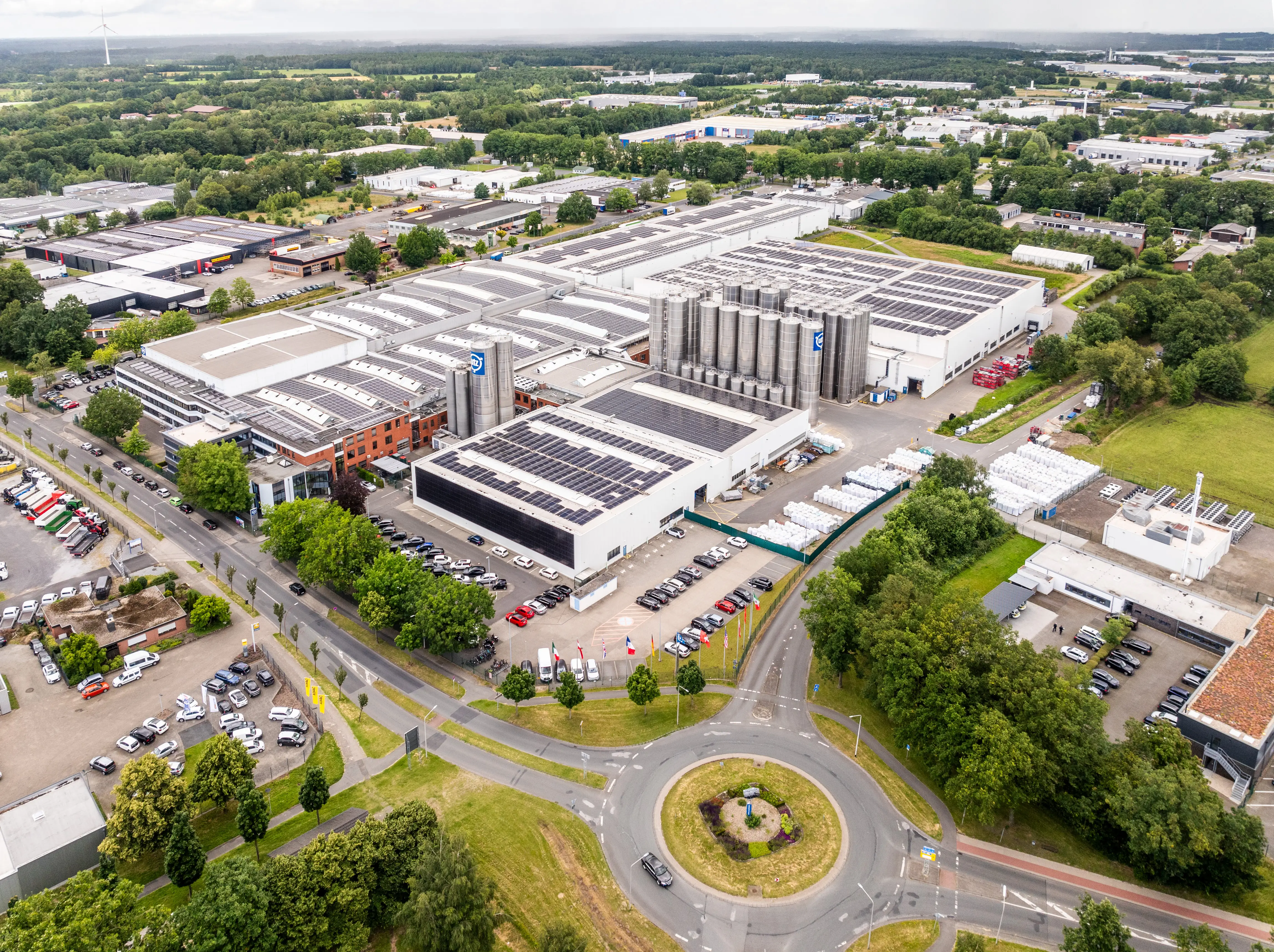
An estimated ten billion pallets, containers, and racks are used in global supply chains to move goods from A to B. These represent significant tied-up capital and, when lost or managed inefficiently, drive up costs enormously. As a leading manufacturer of custom-made reusable transport packaging – from containers and trays to pallets – the Swiss family-owned company Utz also depends on load carriers: several hundred pallets leave the plant in Schüttorf, Lower Saxony, on an average day alone. Its main customers come from the logistics services and automotive sectors, followed by industry and retail.
The Old Process: Three Weeks of 'Blind Spot' and Goodwill Instead of Resolution
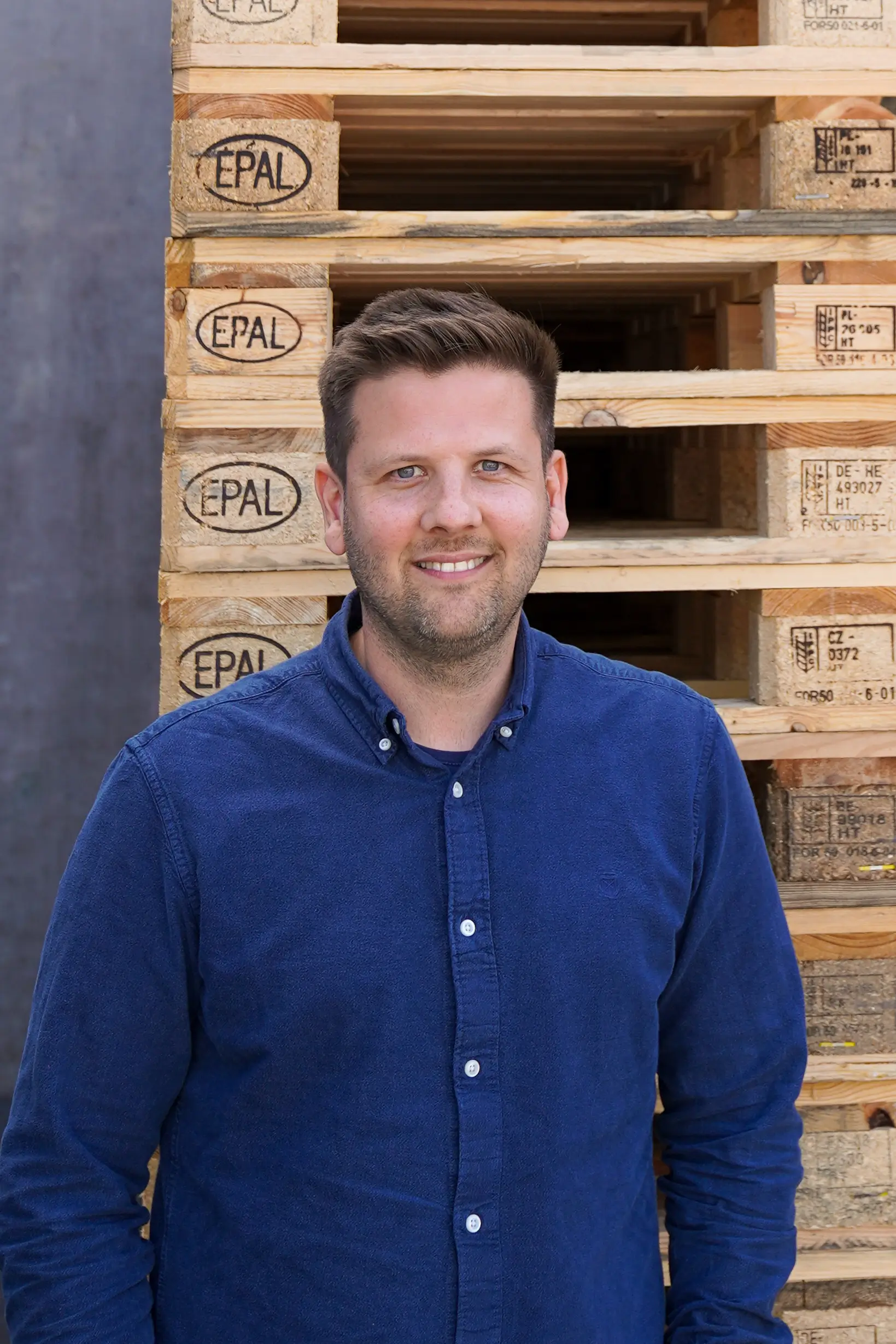
So far, this volume has meant mainly one thing: paperwork and manual bookings. 'The monthly account reconciliation with carriers and customers was a huge challenge and cost us a lot of time and nerves,' recalls Pascal Deters, Head of Shipping Logistics at Utz.
In practice, the logistics department would export account statements from the ERP system and send them by email to exchange partners. There, the lists were printed out, corrected by hand, scanned again, and sent back. Only then did the reconciliation process begin at Utz: employees had to manually dig through folders for documents to prove bookings and send them back to the carriers.
"A single reconciliation could easily take up to three weeks," says Deters.
Two employees spent a combined 4 to 5 hours every day – roughly 20 to 25 hours per week in total – on this manual reconciliation alone.
For capacity reasons, only accounts with an outstanding balance of over 500 pallets were reconciled; smaller accounts ran unchecked. In individual cases where a document could no longer be found, the process ended in goodwill rather than resolution. An internally built Power BI dashboard did bring visual clarity for the team itself, but it failed to solve the problem at the interface with external partners due to a lack of shared transparency.
The Solution: A System That Automates Pallet Management
The turning point came with Logistikbude, a Dortmund-based tech company fully dedicated to load carriers and their digital management. With its platform, Logistikbude is establishing a new software category in the supply chain: the Load Carrier Management System, or LCMS for short.
"Managing load carriers such as pallets, containers, racks, and so on is probably the least digitized area in the supply chain. That's why our mission is to fully automate these processes to relieve companies operationally", explains Dr. Philipp Hüning, Co-Founder and CEO of Logistikbude, adding: 'An LCMS fits seamlessly alongside established systems – just as a WMS handles the warehouse and a TMS handles transport, the LCMS takes care of managing all load carriers.'
From the Ramp to the Digital Account in One Minute
Before implementation, the team at the loading dock had to fill out a physical load carrier slip by hand. A carbon copy always went to the driver, while the original was filed away.
"During the month-end reconciliation, we then had to dig the handwritten slips back out of the folders", explains Deters.
Since rolling out the new solution, everyday work on the logistics floor has become much simpler. In Utz's case, the LCMS now connects directly to the ERP system. Through this interface, it automatically processes all relevant booking and delivery note data, so that entries are posted to the corresponding partner account in real time. When a truck pulls up to the ramp, the loading staff use a handheld scanner with the Logistikbude app. All they have to do is select the account the load carriers should be booked to, and confirm with a single click.
"This saves us countless unnecessary steps and a lot of paper", says Deters, pleased with the change.
Handling damaged load carriers is now fully documented as well. When damaged pallets arrive, employees photograph them right at the ramp using the scanner's camera and attach the photo to the digital booking. This ensures full traceability and has been met with consistently positive feedback from carriers, too.
Time Savings of Hundreds of Work Hours per Year
With a permanent, individual link, the more than 150 registered customers and carriers can now view their exchange accounts themselves in real time, at any time. Access works much like a Microsoft Teams invite — a simple click, with no need for exchange partners to register in advance or become Logistikbude customers themselves. The tedious month-end reconciliation process is now a thing of the past.
"This has allowed us to automate workflows that used to cost many employees hundreds of work hours every year",says Deters,
This has allowed us to automate workflows that used to cost many employees hundreds of work hours every year,' says Deters, who now manages the system on the side in just about an hour a day. Thanks to the transparent data basis, Utz's partners now act proactively: they see their outstanding balances immediately and reach out on their own to ask whether they can deliver another 300 to 400 pallets to Utz.
The cloud-based automation shows up directly in Utz's numbers. Whereas the company previously had to buy an entire truckload of nearly 500 new Euro pallets once or twice a month due to insufficient returns, this has only been necessary once in all of 2026 so far. The average physical inventory of Euro pallets at the plant has risen from a previous 700 to 1.500 to now 1.500 to 2.000 pallets. Even capital once thought lost is being reactivated: a smaller carrier that Utz had essentially written off recently returned 180 outstanding pallets, unprompted.
If you add up the avoided shrinkage costs and the massively reduced workload, a payback period of two years or less for the project is absolutely realistic,' Deters concludes. Currently, the Utz site in Schüttorf alone has around 19.000 pallets in circulation. That corresponds to a total value of 152.000 euros, which is now managed transparently and in real time.
Training and System Changeover in a Single Day
Just how straightforward the switch to this new software category was became clear on the day of the official project launch, December 8, 2025. The operational rollout was completed within a single day. To support this transition as smoothly as possible, Logistikbude's customer support team was on-site in person at the Schüttorf plant. Together with Deters, they went straight out onto the logistics floor to train the team during live operations and to support the staff loading with handheld scanners directly at the ramp.
"The changeover in our daily workflow went completely smoothly, and the prep time, including training, was wrapped up super fast", recalls Deters.
Thanks to the app's intuitive user interface, the team found it effortless to use in everyday operations right from the start. There were no uncertainties or technical hiccups whatsoever.
"The team really had no significant questions or issues understanding it. That's genuinely remarkable when rolling out a new system", says Deters.
Rollout to Additional Sites on the Table
Following the successful implementation in Germany, expanding the system to additional sites within the corporate group is now a real possibility. Potential candidates for the next phase of implementation would be the Swiss parent company as well as the sites in France and Poland. Deters is fully convinced by the LCMS:
"I stand fully behind this product and can wholeheartedly recommend it to any shipping logistics manager out there: the implementation went smoothly, working with Logistikbude was a lot of fun, and the results speak for themselves."
Photo Caption: Utz Press Photo

Schedule a free consultation now!
We would like to get to know you and your current challenges with reusable objects. As a first step, we analyse your status quo together and check where there is potential for optimization and automation. If we have a suitable solution for you, we will present our solution to you on your use case in a second appointment.
